By the owner family at Copal Tulum · Updated July 2026
Tulum sits on top of the largest underground river system on Earth, and the cenotes — limestone sinkholes opening onto impossibly clear fresh water — are the region's single greatest natural gift. There are hundreds within an hour of town; this guide ranks the ones actually worth your limited vacation days, with realistic prices, the crowd-timing tricks that change everything, and the etiquette that keeps these sacred places alive. We write as owners at Copal Tulum in Aldea Zamá, fifteen minutes from the first cenote on this list, and we have swum every entry more than once.
How cenotes work (read this first)
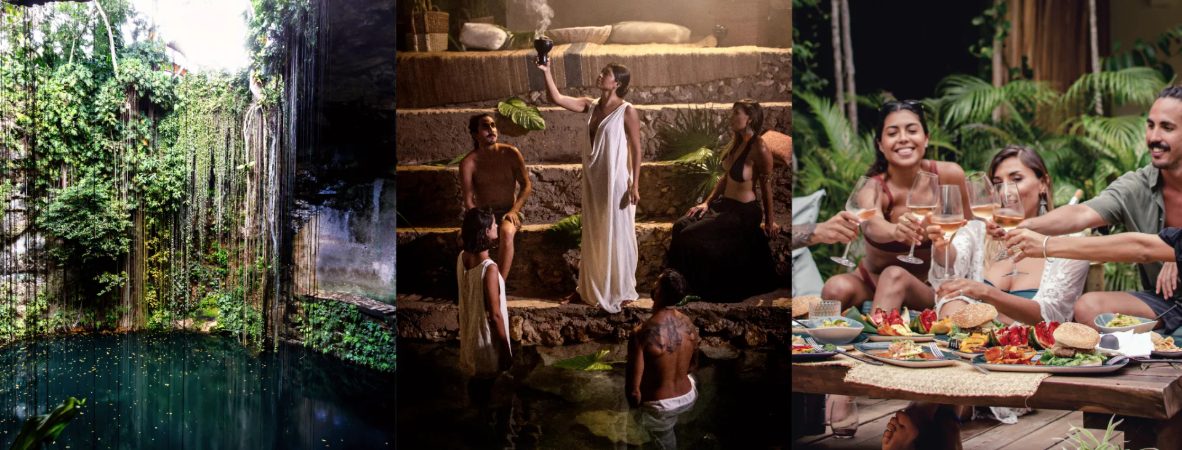
A cenote is a window into the aquifer: rainwater filtered through limestone for decades, emerging at a steady, refreshing temperature around 24–25°C year-round with visibility that regularly exceeds 30 meters. They come in three architectures — open (full sky, like a lagoon), semi-open (part cave roof, dramatic light beams), and cavern (swim into the underworld with a guide). The Maya considered them portals to Xibalba and sources of life; that reverence survives in the rules below.
The universal practicalities: entries are paid in cash pesos at most sites; lockers and life vests are usually available (vests mandatory at several); and the golden rule is no sunscreen or lotions of any kind before swimming — even "biodegradable" formulas cloud the water and harm the ecosystem. Rinse at the showers provided, swim clean, apply sunscreen after.
The headliners: Gran Cenote and Dos Ojos
Gran Cenote, five minutes from town toward Cobá, is the classic for a reason: a horseshoe of turquoise pools connected by boardwalks and a low cavern, resident freshwater turtles, and easy stairs that make it perfect for first-timers and families. Entry runs on the expensive side for the region (roughly 500 pesos, cash), and by 11 a.m. the tour vans own it — arrive at opening (8 a.m.) and you will share it with turtles instead of crowds.
Dos Ojos, twenty minutes north, is the snorkeling and diving crown: two enormous connected cavern "eyes" on one of the planet's longest surveyed underwater cave systems. The light shafts, stalactite forests and glassy water justify every photo you have seen. Entry roughly 350–500 pesos depending on package; certified cave and cavern dives here are world-class and must be booked with reputable operators.
The characters: Casa Cenote, Calavera and Carwash
Casa Cenote (Tankah, fifteen minutes north) is the oddball — a long, open, mangrove-lined channel where the underground river meets the sea, swimmable end to end with tarpon flashing below. Modest entry (roughly 150–200 pesos), kayak rentals, and a beach restaurant across the road; the gentle current and open layout make it the most relaxed swim on this list. Cenote Calavera ("skull"), five minutes from town, is the jump spot: a pot-shaped cavern entered through holes in the ground — leap through the "eyes" or take the ladder — beloved by photographers and adrenaline-lite thrill seekers; entry roughly 250–300 pesos.
Carwash (Aktun Ha), ten minutes toward Cobá, earns its cult following in the seasons when water lilies carpet the entry pool and the underwater garden looks hand-painted; it is also a legendary cavern dive. Quieter than the headliners, entry roughly 300 pesos. Honorable mention: Zacil-Ha nearby, a family-friendly pool-like cenote with a small zip line.
The wildcard: Laguna Kaan Luum
Twelve minutes south of town, Kaan Luum is technically a lagoon wrapped around a deep central cenote — a ring of warm, waist-deep turquoise shallows circling a dark 80-meter eye that is roped off for safety (diving it requires permits). The shallows, palapa swings and long piers make it the single best photo-and-float afternoon in the area, and one of the best value entries (roughly 100–150 pesos). Weekdays it is serene; weekends bring local families and a good soundtrack.
Combine it with the southern road: Kaan Luum pairs beautifully with a Muyil/Sian Ka'an morning — see our Sian Ka'an guide for that itinerary.
Building your cenote days from Aldea Zamá
From our neighborhood the geometry is kind: Calavera and Gran Cenote sit 5–15 minutes up the Cobá road; Carwash and Zacil-Ha just beyond; Dos Ojos and Casa Cenote 15–20 minutes north on the 307; Kaan Luum 12 minutes south. Taxis will run you to any of them and arrange pickup times (150–300 pesos per leg), a rental car unlocks three-cenote days, and the closest ones are honestly bikeable for the fit.
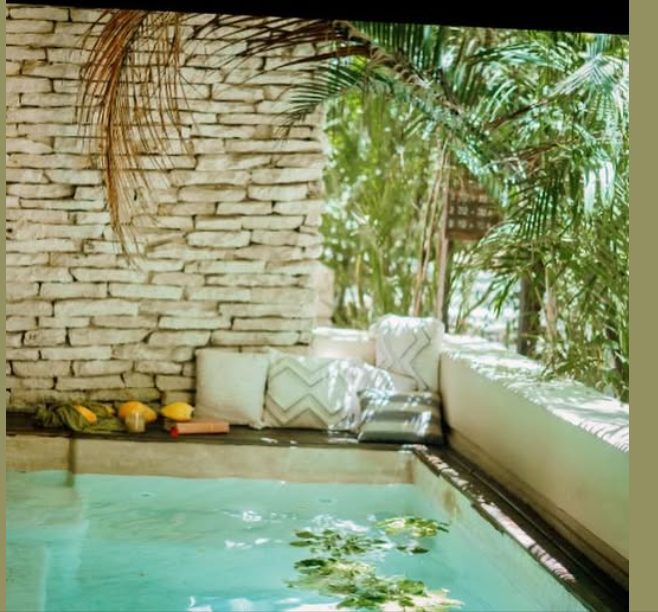
The property angle: Copal Tulum's concierge organizes hidden-cenote explorations and cenote ceremonies beyond the public list above — ask when booking. And the perfect cenote-day structure, tested hundreds of times: first cenote at opening, second before noon, long lunch, then home to your own pool for the hot hours. Send us your dates and we will sketch it for your group.
Frequently asked questions
What is the best cenote in Tulum?
For first-timers, Gran Cenote; for snorkeling and diving, Dos Ojos; for a relaxed open-water swim, Casa Cenote; for photos and floating, Laguna Kaan Luum. The honest answer is a two-day mix.
How much do cenotes near Tulum cost?
Roughly 100–500 pesos per person depending on the site — Kaan Luum and Casa Cenote at the low end, Gran Cenote and Dos Ojos at the top. Bring cash pesos; many sites take nothing else.
Can you wear sunscreen in cenotes?
No — not even biodegradable formulas, at most sites. Sunscreen clouds the water and damages the ecosystem. Rinse before entering, swim clean, apply after.
What time should I visit cenotes to avoid crowds?
At opening, almost universally 8–9 a.m. By 10:30–11 the tour vans arrive at the famous sites. Late afternoon (after 3:30) is the second-best window.
Are cenotes safe for kids?
Several are ideal: Gran Cenote, Zacil-Ha, Casa Cenote and Kaan Luum's shallows all offer easy access, calm water and life vests. Supervise as you would at any swimming hole.
How far are the cenotes from Copal Tulum?
Between 5 and 20 minutes by car from Aldea Zamá. The concierge arranges taxis with return pickups, and can organize hidden-cenote experiences beyond the public sites.