By the owner family at Copal Tulum · Updated July 2026
The phrase "jungle hotel" carries Tulum's entire promise inside it: waking to birdsong instead of traffic, plaster walls the color of sand, pools the jungle leans over, copal smoke at dusk. It has also become the most overused phrase in Riviera Maya marketing — attached to concrete boxes with a potted palm at reception. This guide separates the real thing from the keyword, explains what living inside the green actually feels like (the wonderful and the practical), and shows you how to choose well. We write as owners of a unit at Copal Tulum, a jungle-residence property in Aldea Zamá, and we will tell you plainly what the jungle gives and what it asks in return.
What actually makes a jungle hotel
Three tests separate genuine jungle properties from marketing. First, canopy: from your room or terrace, do you see layered vegetation — palms, ceibas, hanging vines — or a landscaped strip? Real jungle hotels are built into preserved vegetation, with buildings threaded between trees rather than trees planted between buildings. Second, architecture: the honest ones use the regional language — chukum and sand-toned plaster, tropical hardwood, bejuco stick ceilings, carved stone — and open the rooms to the outside with terraces, glass walls and outdoor showers. Third, sound: close your eyes in a real jungle hotel and you hear birds, wind in fronds, and at night a living hum. If you hear an avenue, you are in a hotel with plants.
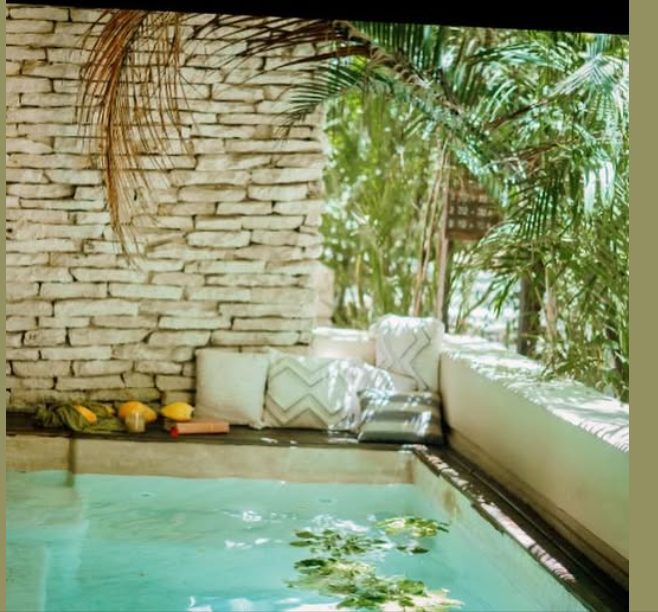
At Copal Tulum, corridors open to limestone courtyards, vines curtain the walkways, the main pool literally winds between the trees, and every jungle-level residence sits at canopy-floor height with the green pressing against the glass. That is the standard to compare against.
What the jungle gives you
Mornings are the headline. The dawn chorus in the Yucatán jungle is loud, layered and completely unbothered by your schedule — chachalacas, motmots, the occasional distant howler. Temperatures at jungle level run noticeably cooler than open streets; the shade is real air conditioning. Privacy multiplies: vegetation between terraces does what no wall can. And at night the property glows differently — pendant light through woven fixtures, underwater pool lights turning aquamarine against black leaves, the smell of copal and damp earth.
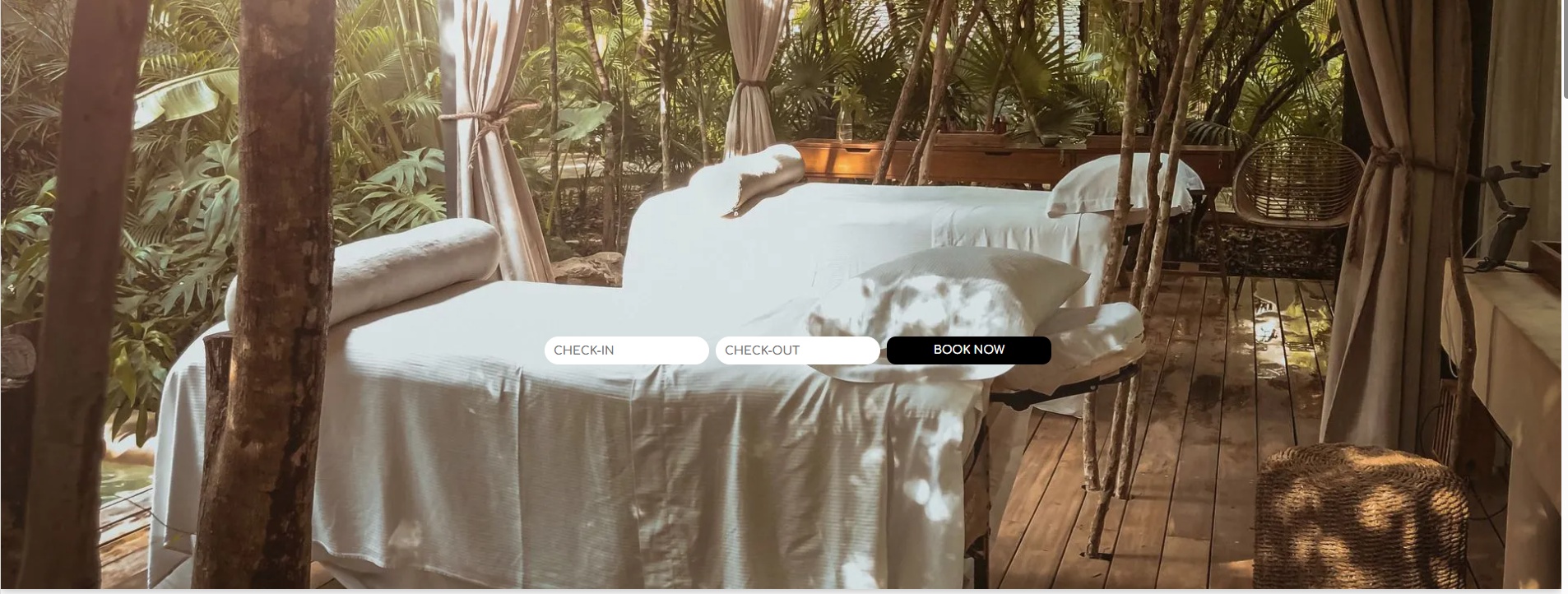
There is also a wellness dimension that is not marketing. Spa treatments in open cabanas with the jungle as the soundtrack, temazcal ceremonies under the trees, the daily ritual at sunset — these land differently surrounded by green than they would in a beachfront spa suite. It is the reason Tulum's wellness reputation grew inland first.
What the jungle asks in return (the honest section)
Humidity is real, especially May through October; good jungle hotels answer it with strong air conditioning and dehumidified interiors — verify both. Insects exist; well-run properties fumigate responsibly, screen the rooms and keep still water managed, and you will still meet the occasional gecko, who is on your side. Wildlife means agoutis crossing paths and coatis eyeing breakfast, which most guests file under magic. And the green needs light discipline at night — genuine jungle properties keep lighting warm and low, which is precisely why the stars work.
None of this is a warning; it is the texture of the experience. Travelers who want a sealed marble environment should book a resort tower in Cancún. Travelers who want Tulum book the jungle and remember it.
Jungle hotel prices and where they cluster
Tulum's jungle properties cluster in two places: pockets along the beach road (jungle side, sea across the street) and, in far greater concentration, Aldea Zamá — the planned enclave ten minutes inland where the vegetation was preserved street by street. Beach-road jungle rooms carry the zone premium: $400–$900+ in high season. Aldea Zamá's jungle residences deliver more space — full kitchens, separate bedrooms, private plunge pools — typically between $180 and $500 depending on category and season. Low season (May–June, September–October) is the jungle at its greenest and its cheapest, with brief afternoon rains that make the evenings glow.
Copal Tulum spans that range across thirteen categories: from the Double Room Jungle Terrace for essentials-plus-comfort travelers to jungle-level private-pool suites and the flagship two-story Four Bedroom Jungle Villa.
How to choose your jungle room level
Jungle hotels are vertical, and the level you book shapes the stay. Jungle level (ground) means maximum green immersion, coolest temperatures, private pools under the trees, and slightly less direct sun — the choice for privacy-seekers and midnight swimmers. Middle levels trade some immersion for elevated canopy views and terrace breezes. Rooftop level flips to open sky: sun all day, sunset over an unbroken green horizon, private plunge pools with pergolas. There is no wrong answer, only a wrong match — tell us how you travel and we will match you to the level honestly, because we know how each one lives across the seasons.
One last owner's tip: whichever property you choose, ask whether the jungle around it is preserved or awaiting development. A protected setting means your view survives your return trip.
Frequently asked questions
What is the best jungle hotel area in Tulum?
Aldea Zamá holds the largest concentration of genuine jungle-immersed boutique properties, with preserved vegetation, quiet streets and 10-minute access to both the beach and the town. Pockets of the beach road offer jungle-side rooms at a significant price premium.
Are Tulum jungle hotels full of bugs?
Well-run properties screen rooms, manage water and fumigate responsibly, so insects are an occasional presence rather than a problem. Geckos are common and beneficial. The jungle is a living environment — that is the point — but comfort standards at boutique properties are high.
Do jungle hotels in Tulum have air conditioning?
Reputable ones, yes — including all interiors at Copal Tulum. Verify it explicitly when booking anywhere, especially for May–October stays when humidity peaks.
Is a jungle hotel better than a beach hotel in Tulum?
They are different trips. Jungle hotels offer space, quiet, privacy, private pools and 40–60% lower prices; beach hotels offer waking up on the sand at a premium. Many travelers do the beach as a day trip from a jungle base — the reverse is harder.
Which rooms at Copal Tulum are most immersed in the jungle?
The jungle-level categories: Studio Jungle Private Pool, One/Two/Three Bedroom Jungle Private Pool residences and the Four Bedroom Jungle Villa, all with vegetation directly around their terraces and pools.